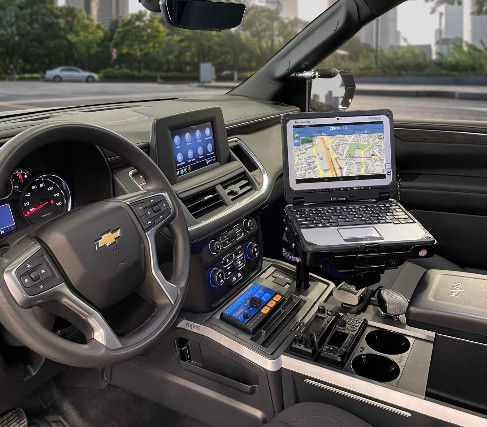
What Makes a Quality Emergency Vehicle Upfit? 10 Things to Look For Before Signing Off
- May 29, 2025
- 2 min read
When you're responsible for the safety, readiness, and effectiveness of your department's fleet, a poorly done upfit can cost far more than just time.

Whether you're upfitting a new police unit, fire command vehicle, or utility truck, quality isn't just about how things look — it's about how well they perform when it counts.
At Jacked Custom Truck Installs Inc., we know that excellence in upfitting goes beyond simply mounting equipment. Here's a checklist of 10 signs you're getting a professional-grade job — and not something you'll regret in six months.
1. Factory-Like Fit and Finish
Equipment should blend into the vehicle — not look slapped on. Every bracket, console, and panel should fit flush, use OEM mounting points where possible, and leave no exposed wires or sharp edges.
2. Clean, Organized Wiring
Wiring should be labeled, neatly bundled, secured, and routed away from heat or pinch points. If you see tangled wires or electrical tape everywhere — it's a red flag.
3. Proper Circuit Protection
High-amperage equipment like light bars, radios, and sirens need dedicated fuses and relays. A quality upfit includes circuit protection matched to each component.
4. System Integration
Do your lights, sirens, radios, and MDTs work together seamlessly? A good upfitter ensures everything is integrated for intuitive, ergonomic operation — not scattered across multiple switches or mount points.
5. Heavy-Duty Mounting Hardware
Equipment must stay secure under vibration, speed, and stress. Look for industrial fasteners, lock washers, and rubber isolators where needed.
6. Ergonomic Console Layout
Your crew spends long hours in these vehicles. Controls should be placed within easy reach, with switches, radios, and laptops angled for visibility and comfort.
7. Compliance with Safety Standards
From airbag compatibility to mounting that doesn’t interfere with crumple zones — a professional installer ensures your vehicle stays compliant with industry regulations.
8. Tested Functionality
Before the vehicle leaves the shop, all systems should be tested under real-world conditions — not just "power on" checks. Lighting patterns, radio clarity, deployment speed, and more.
9. Clean Final Delivery
There should be no sawdust, fingerprints, or leftover bolts. A true pro hands you a clean, ready-to-roll vehicle — and walks you through every component before you leave.
10. Documentation & Support
A good upfit includes documentation for every part installed, plus wiring diagrams and contact info if issues come up. Bonus points for training your team on how to use it all.
At Jacked, this is our standard — not the exception.