
Understanding Electrical Load in Emergency Vehicles: Are You Overloading Your Fleet?
From strobes and scene lighting to radios, sirens, and in-vehicle computers, modern emergency vehicles are electrical powerhouses.
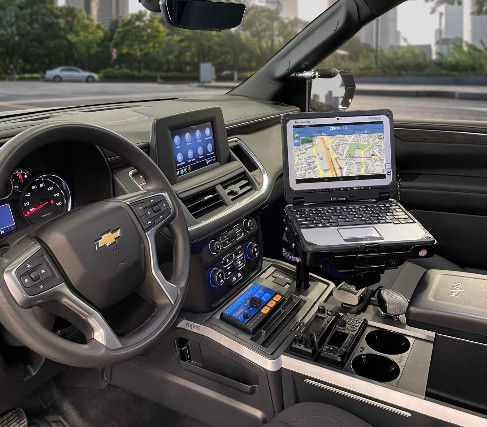
But here’s the problem: too many departments overload their systems — and don’t even know it. At Jacked Custom Truck Installs Inc., we’ve seen everything from fried alternators to total electrical failure in otherwise brand-new upfits. If you're not tracking your load, you could be setting your fleet up for costly downtime and safety risks.
Why Electrical Load Management Matters
Your vehicle’s alternator and battery system can only handle so much draw. When too many high-amp components are added without proper planning, you get:
System crashes or power drops
Inconsistent lighting or siren failure
Shortened battery life
Overheated wiring and fire hazards
Most Common Power-Hungry Components:
High-powered LED light bars & scene lights
Mobile Data Terminals (MDTs) or laptops
Dual radios
Inverters powering printers or chargers
Climate control systems (especially for K-9 units)
How to Know You’re at Risk:
Technicians keep "tapping" into existing circuits
You notice dimming lights when the siren runs
Multiple batteries added with no system design
You've never had a full amperage draw test done
Our Solution: Smart Load Planning
At Jacked, we calculate your total draw, plan for peak load situations, and design dedicated power circuits with properly fused distribution. This ensures every component gets the power it needs — safely.
Power Management Best Practices:
Use quality fuse panels and relays with amperage matching
Install dedicated power/ground runs for radios and high-draw items
Avoid daisy-chaining accessories off existing lines
Use high-output alternators and auxiliary batteries where needed
Test under full operational load before releasing the vehicle
Final Thought:
Upfitting isn’t just bolt-ons and brackets — it’s about building systems that work under stress, in harsh conditions, without fail. If your vehicle isn’t designed to handle the electrical load, it’s a liability.
Let Jacked build it the right way — from the wires up.
